Dream on: A Graphic Design Asset for Creative Freebies
As a designer who works with branding, marketing visuals, and printable products, I always look for assets that can elevate a project without overwhelming it. Dream on is one such design asset that offers a unique visual mood and versatility for a range of creative applications.
The First Impression of Dream on
Dream on immediately evokes a sense of calm and introspection. The soft, flowing lines and gentle color palette create a dreamy aesthetic that feels both modern and timeless. This makes it ideal for projects that aim to convey a relaxed, artistic, or inspirational vibe.
It’s a graphic design asset that fits well with handmade businesses, small business branding, and seasonal campaigns. Its style leans toward the whimsical, making it a great choice for boutique product lines, Etsy shops, or online product launches that want to stand out with a touch of creativity.
Real-World Applications of Dream on
In real design situations, Dream on can be used in various ways. For logo design, it can serve as a subtle background or an emblem that adds depth without competing with text. In brand identity, it can help establish a cohesive visual language that feels approachable and expressive.
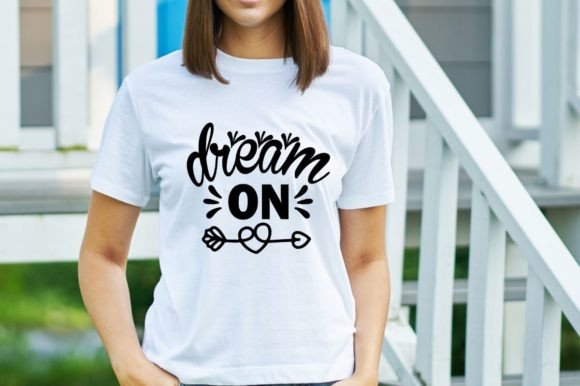
When it comes to product labels, packaging design, or stickers, Dream on can add a decorative element that enhances the overall appeal. It also works well as a t-shirt design, mugs, or tote bags, where its soft imagery can translate beautifully into print-on-demand formats.
For social media graphics, editorial design, or web design, Dream on can act as a hero graphic or a supporting element that brings a sense of visual harmony. It’s especially effective in Canva templates, Cricut projects, and Pinterest pins where a balance between creativity and clarity is essential.
Where Dream on Shines
Dream on excels in large layout areas, hero graphics, and product mockups. Its composition allows it to take center stage while maintaining a clean and uncluttered feel. It also works well as part of themed collections, campaign visuals, or printable wall art where a consistent aesthetic is key.
As a digital product, it can be integrated into design bundles or used as a sublimation design for custom merchandise. Its flexibility makes it a valuable addition to any creative marketplace, especially for designers looking to expand their library of printable designs.
Where to Use Dream on Carefully
While Dream on is versatile, there are scenarios where it may not be the best fit. In small sizes, the details might get lost, making it less effective for intricate elements. Crowded layouts could also dilute its impact, so it’s best used as a focal point rather than a background element.
On complex backgrounds or low-contrast designs, Dream on might struggle to maintain visibility. It’s also not the best choice for minimalist branding or professional corporate materials that require a very clean visual hierarchy.
Impact on Readability and Brand Consistency
Readability is a crucial factor in any design project, and Dream on doesn’t interfere with text placement when used appropriately. It maintains a good balance between visual interest and legibility, which is important for marketing visuals, editorial design, and web design.
Brand consistency is another area where Dream on can contribute positively. Its soft, cohesive style helps reinforce a brand’s identity, especially for businesses that want to communicate warmth, creativity, or a personal touch. It can also enhance emotional appeal, making designs more engaging and relatable to the target audience.
Practical Designer Notes
Before using Dream on for a client project, it’s essential to test it in black and white to see how it holds up without color. Checking contrast on light and dark backgrounds ensures it remains visible and impactful across different mediums.
Previewing it at small and large sizes helps determine its scalability, while placing it on real mockups gives a better sense of how it will appear in final prints. Testing print quality is also important, especially if it’s being used for t-shirt design, mugs, or other physical products.
Reviewing file formats—such as SVG or PNG—is crucial for editability and transparency. Comparing it with different font styles can also help find the right balance between typography and imagery. Lastly, confirming commercial licensing is a must before using it for a client or business project.
Conclusion: Dream on in Professional Design Work
Dream on is a graphic design asset that offers both aesthetic value and practical utility. Its dreamy, soft style makes it ideal for creative design, handmade businesses, and small business branding. Whether used in a Canva template, Cricut project, or print-on-demand product, it adds a touch of personality and polish.
For designers working on real client projects, Dream on can be a useful addition to their toolkit—especially when the goal is to create a visually appealing, emotionally resonant design that stands out in a crowded market.